Difference Between “Has” and “Have”
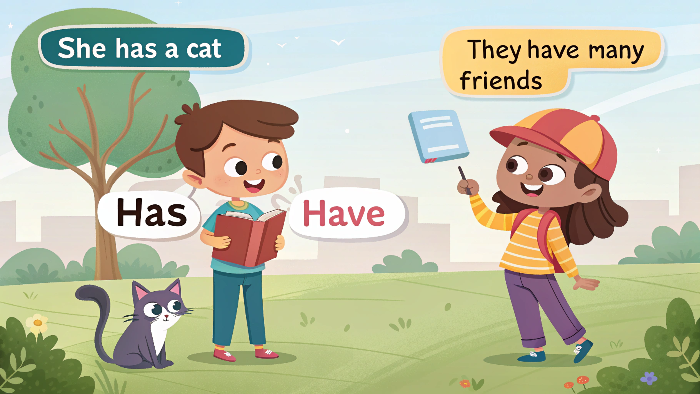
Difference Between “Has” and “Have”

Many English learners get confused between “has” and “have.” Both words come from the verb “to have,” which means to own, possess, or experience something. The difference depends on who (the subject) is doing the action. Let’s make it super…
Common Grammar Mistakes to Avoid

Common Grammar Mistakes to Avoid

Learning English grammar can be tricky, especially for beginners. Even small mistakes can change the meaning of your sentence. But don’t worry — once you know the most common grammar mistakes, you can easily avoid them and sound more confident…

50 English Words You Should Learn Every Day

50 English Words You Should Learn Every Day

Introduction Learning new English words every day is one of the best ways to improve your speaking, writing, and listening skills. The more vocabulary you know, the more confident you become when communicating.In this article, we’ve collected 50 useful English…

100 English Words with Meanings and Examples

100 English Words with Meanings and Examples

Introduction Learning new English words is essential for improving your vocabulary, communication skills, and understanding of the language. In this article, you will discover 100 useful English words with meanings and examples to help you speak confidently. Learning English vocabulary…